Faster, Safer Floor Cleaning!
Reduce Bacteria and Cross Contamination with Dual Compartment Mop Buckets
Learn More!
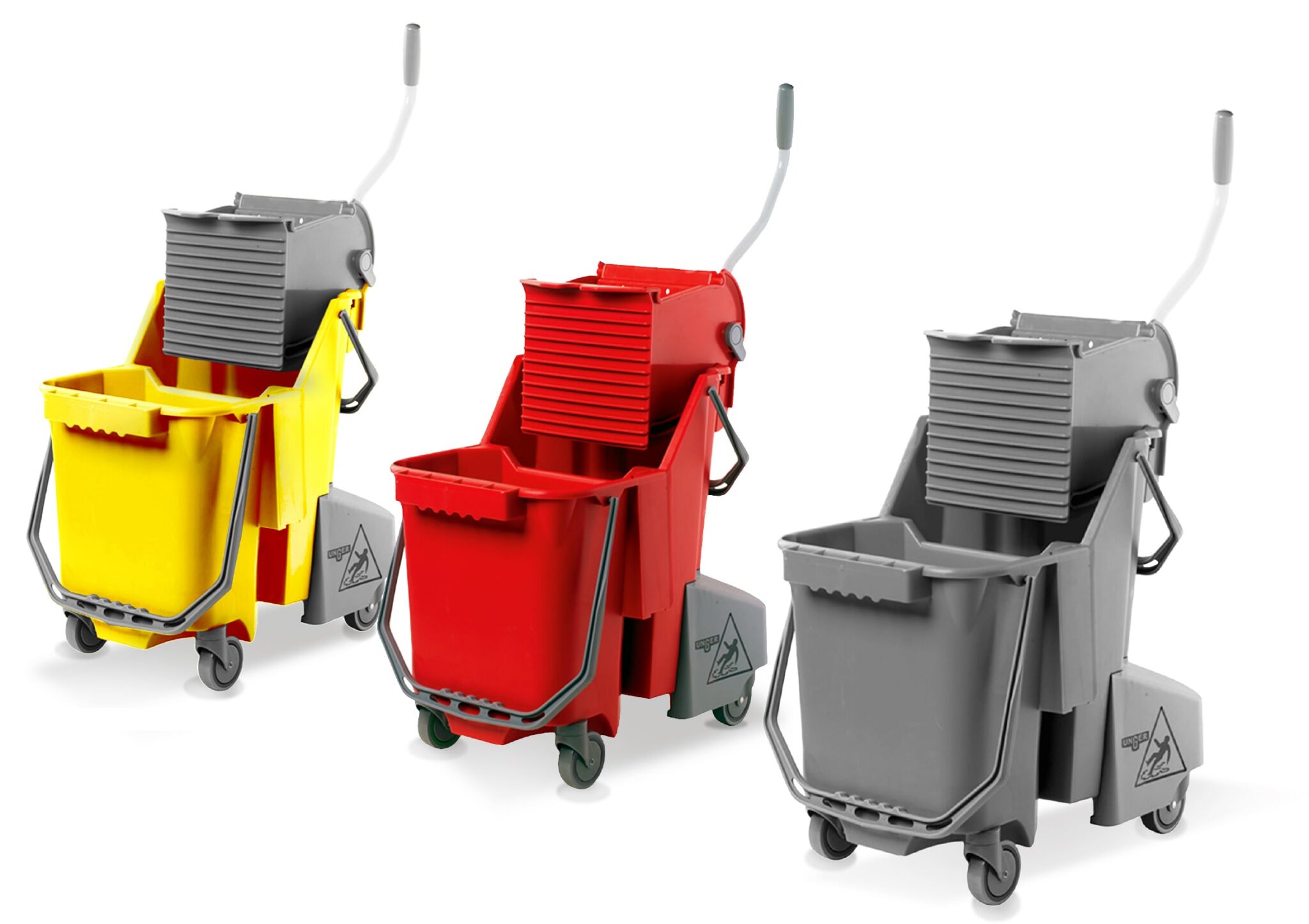
Reduce Bacteria and Cross Contamination with Dual Compartment Mop Buckets
Learn More!
Did you know that poor facility maintenance can reduce employee productivity by up to 15%? While surface-level cleanliness might seem enough, the real ROI lies in what you can’t see—grime, bacteria, and allergens that only deep cleaning can remove. Think of deep cleaning like maintaining a car. Regular cleaning is like a weekly car wash—it keeps the outside shiny. But deep cleaning is like detailing the inside and cleaning the engine. It takes more time, but it helps the car run better and last longer. The same goes for your facility.
Both cleanings are essential to a comprehensive facility maintenance plan given their different areas of focus:
1. Regular Cleaning Activities:
Performed on a frequent basis (daily, weekly, etc.) and may include:
2. Deep Cleaning Activities:
Performed monthly, quarterly, or as needed and may include:

Key Takeaway: Regular cleaning keeps things tidy day-to-day, while deep cleaning is more intensive and less frequent. Deep cleaning targets areas often overlooked—like vents, behind appliances, and grout lines—to eliminate embedded dirt, bacteria, and allergens. Both are essential for a healthy, well-maintained space.
 First impressions matter—whether it’s a customer walking into your lobby for the first time or an employee starting their workday. A facility that looks and feels clean sets the tone for a positive experience.
There’s truth to the saying that you never get a second chance to make a first impression, especially when 55% of those impressions are based purely on what people see. Deep cleaning plays a critical role in shaping that visual impact. For businesses that rely on foot traffic, such as restaurants and convenience stores, spotless exteriors and entrances communicate professionalism, pride, and readiness to serve.
A deep-cleaned clean facility doesn’t just look good, it directly contributes to happier, healthier employees who are more likely to stay engaged and perform at their best. A study published in Workplace Psychology found that employees in clean environments reported a 15% increase in overall satisfaction compared to those working in cluttered, poorly maintained spaces. Additionally, a survey by Staples revealed that 94% of employees feel more productive in clean offices. These numbers highlight a clear connection: when cleanliness is prioritized, it creates a space where people feel more comfortable and motivated.
Key Takeaway: First impressions are visual—55% of people judge a space based on appearance alone. A deep-cleaned facility feels more professional, welcoming, and cared for. It boosts customer confidence and employee morale, making your business more attractive and your team more engaged.
Deep cleaning isn’t just about making a space look good, it’s about making sure it’s truly clean. Over time, surfaces around your facility, such as door handles, light switches, light fixtures, and air vents, can collect germs, mold, dust, and bacteria that regular cleanings often miss.
Even if something looks clean, that doesn’t mean it’s free of germs. That’s where deep cleaning comes in. It tackles hidden trouble spots, eliminating the buildup that can trigger allergies, respiratory issues, or contribute to Sick Building Syndrome (SBS), a condition where occupants experience acute health effects linked directly to time spent in a building. These conditions are not just physically harmful, but they can also increase absenteeism and lower productivity.
And it’s not just about germs—neglecting deep cleaning can lead to real safety hazards. Take, for instance, an office building that hasn’t performed a deep floor cleaning in several months. In one of the main hallways, layers of cleaning solution residue, combined with tracked-in dirt and moisture, creates an almost invisible slick spot. Regular cleaning would most likely not have removed the slick spot since it targets surface-level dirt and appearance and removing this type of built-up residue requires periodic deep scrubbing. One morning, an employee slips and falls, resulting in a sprained wrist and several lost workdays.
In this example, the issue wasn’t that the floor looked dirty, it was the hidden buildup that caused the problem. The National Floor Safety Institute (NFSI) identifies floor contamination, such as grease and cleaning residue, as a major contributor to slip-and-fall accidents.
Key Takeaway: Deep cleaning reduces the spread of illness by removing hidden pathogens and improving air quality. It also prevents safety hazards like slips and falls caused by unseen floor residues. Addressing these risks protects your people and bottom line from costly incidents and lost productivity.
Routine deep cleaning is a form of preventive maintenance that helps every component of a facility work better and last longer. Instead of reacting to problems with costly repairs or replacements, deep cleaning allows you to extend the life of your investments and maximize return on your operational budget.
Here are some examples of deep cleaning’s cost-saving benefits:
 1. Bathrooms
 2. Kitchens
 3. HVAC Vents and Ducts
 4. Ceiling Fans and Light Fixtures
Key Takeaway: Routine deep cleaning is proactive maintenance that protects your long-term investment. By preventing damage and reducing wear and tear, it lowers repair costs, delays replacements, and extends the life of everything from fixtures to HVAC systems.
Deep cleaning is more than a visual upgrade – it’s a strategic investment in health, safety, and long-term savings for your facility.
Contact Unger today to learn how our professional-grade deep cleaning tools can help you meet your cleaning standards and business goals with safety, speed, and efficiency top of mind!