Faster, Safer Floor Cleaning!
Reduce Bacteria and Cross Contamination with Dual Compartment Mop Buckets
Learn More!
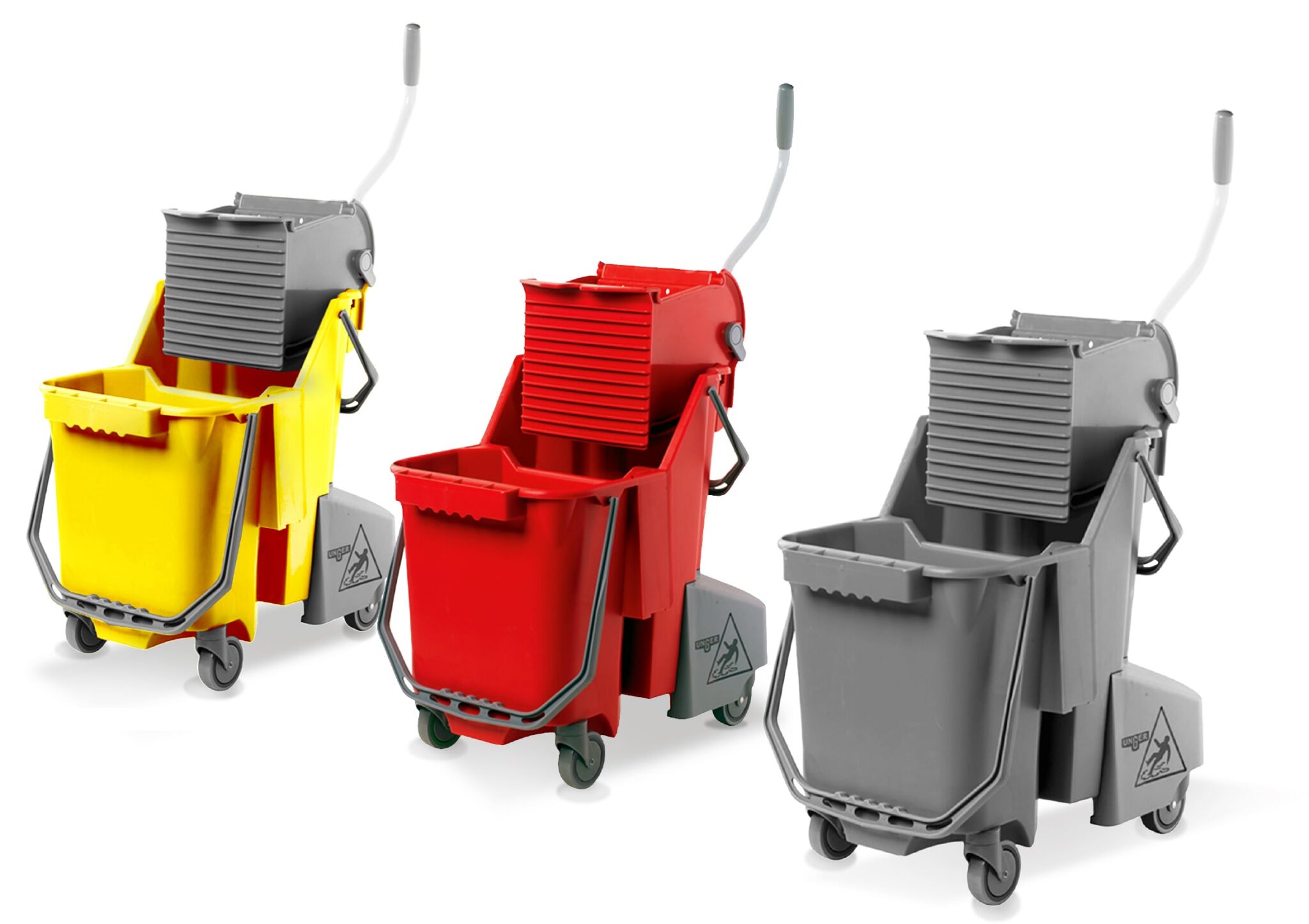
Reduce Bacteria and Cross Contamination with Dual Compartment Mop Buckets
Learn More!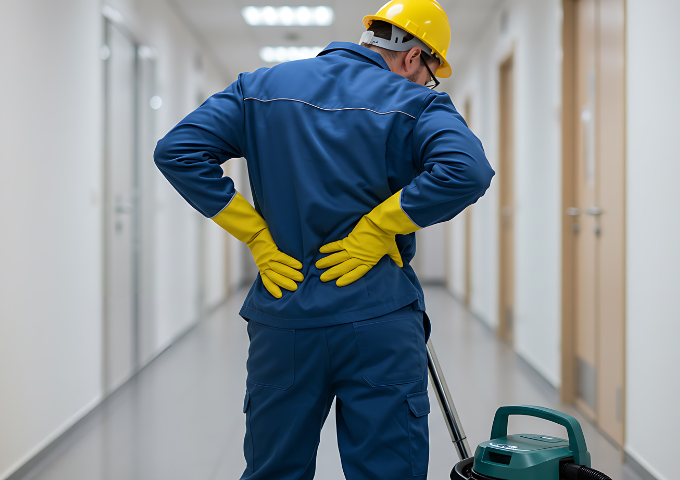
There’s no debating it—cleaning is hard work.. Every shift involves bending, lifting, reaching, and twisting in ways that can put serious stress on the back, shoulders and wrists. When your job requires repeating the same motions or working in awkward positions day after day, that strain can add up, leading to soreness, stiffness, or, over time, real back problems.
In fact, according to studies, back injuries are one of the most common issues in the workplace, accounting for one in every five reported injuries. The good news? Most of these problems are preventable. With some increased awareness of posture, adjustments to cleaning techniques, and the help of modern, ergonomic cleaning tools, you can protect your back, move more efficiently, and feel better both on and off the job.
Why do so many professional cleaners struggle with back pain?
The answer comes down to how physical the work really is. According to a ScienceDirect study, cleaners experience higher rates of musculoskeletal disorders (MSDs) than the average worker. These are injuries that build up slowly over time from repetitive motion, awkward posture, and physical strain.
What are Workplace Musculoskeletal Disorders (WMSDs)?
WMSDs happen when muscles, tendons, and joints are repeatedly overworked. When your job involves doing the same actions repeatedly, such as bending, reaching, or lifting, those small movements can lead to WMSDs.
Here are some typical common injuries custodians face:
How Cleaning Movements Strain the Back
Everyday cleaning tasks might not seem harmful in the moment, but over time, the body absorbs that stress.
Can basic cleaning tools really cause back pain?
Basic cleaning tools that custodians use every day, such as cleaning cloths, spray bottles, and mop buckets, can put unnecessary stress on the body when not used properly. It’s not the tools themselves that are the problem; it’s how we move when using them that makes all the difference.
Common Movement Mistakes That Lead to Strain
It’s easy to slip into habits that feel efficient in the moment but take a toll over time. A few examples:
Today’s cleaning equipment is designed not just to get the job done faster, but to do it smarter and safer. Ergonomic tools reduce bending, lifting, and repetitive motion, the top causes of back, shoulder, and wrist strain in custodial work.
1. Adjustable, Lightweight Handles and Telescoping Poles
Cleaning tools that feature adjustable, ultra-lightweight handles and telescoping poles help custodians reach high or hard-to-reach areas without overextending, climbing or moving/lifting obstacles out of the way. This small improvement can make a huge difference for your back and shoulders.
For example, carbon fiber telescopic poles are strong and extremely light, reducing the chance of repetitive stress injuries (RSIs) caused by constant reaching. When paired with pure water window cleaning systems for exterior windows, workers can skip the repetitive motions of drying with a cloth or squeegee.
2.Flat Mop Systems That Reduce Bending and Twisting
Traditional string mops require repeated bending, wringing, and twisting—motions that quickly wear on the lower back and wrists. Switching to a flat microfiber mop system and/or a mopping system with an onboard wringer transforms this into a safer, less demanding task.
Here’s why:
3. Ergonomic Janitor Carts That Make Every Step Easier
Innovative janitor carts are built to make daily cleaning routes more efficient and body-friendly. Features like adjustable shelves, smooth-rolling wheels, and organized compartments help reduce unnecessary lifting and constant back-and-forth trips.
At the end of the day, your most important cleaning tool isn’t a mop, pole, or janitorial cart—it’s you. Smarter, safer cleaning starts with proper technique and protecting your back means protecting your ability to do your job well.
Keep building awareness around posture, invest in ergonomic tools, and speak up for the training and equipment you need to stay safe. If you need assistance evaluating how you can introduce ergonomically designed tools that help you work smarter, not harder, contact us.