Faster, Safer Floor Cleaning!
Reduce Bacteria and Cross Contamination with Dual Compartment Mop Buckets
Learn More!
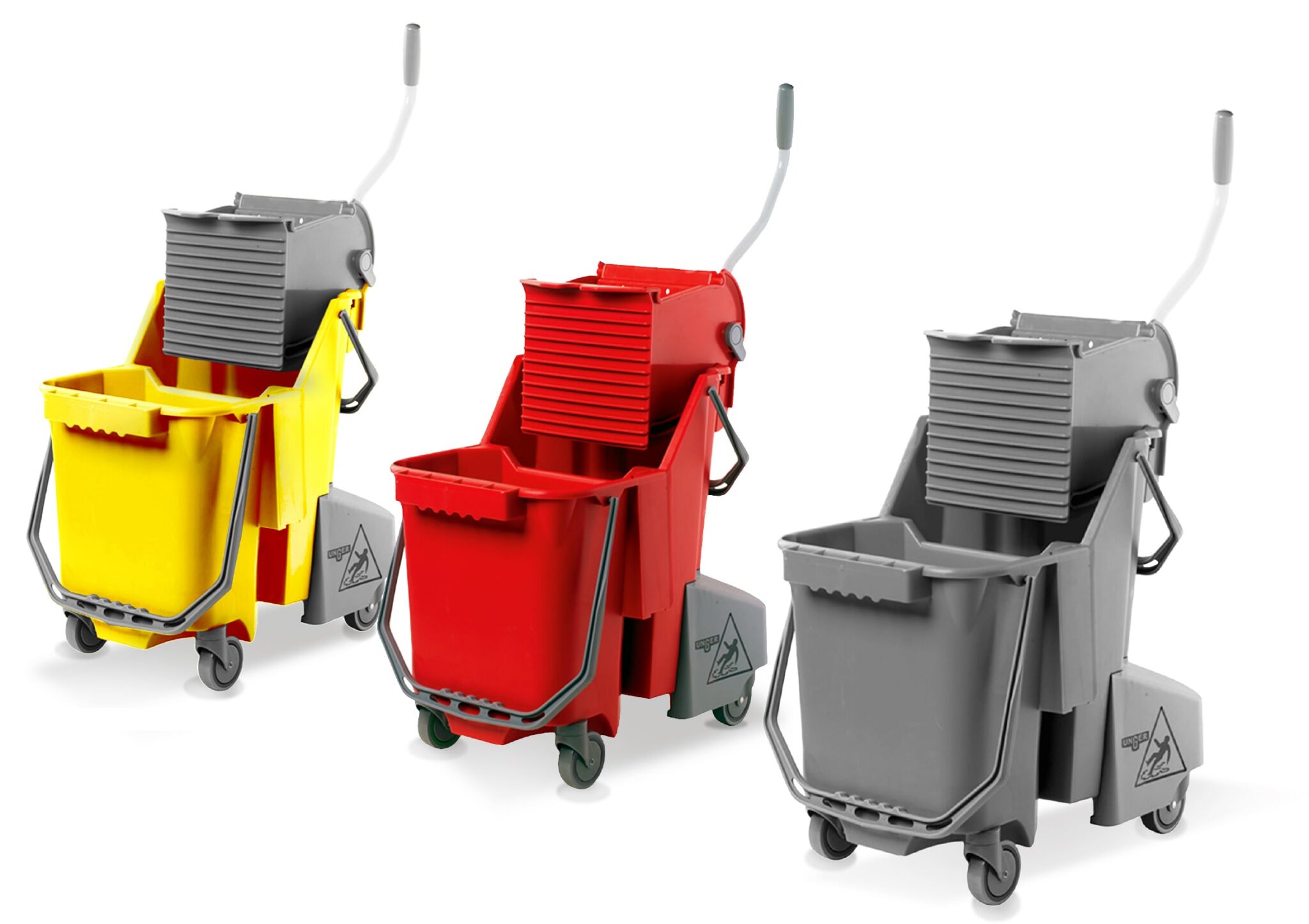
Reduce Bacteria and Cross Contamination with Dual Compartment Mop Buckets
Learn More!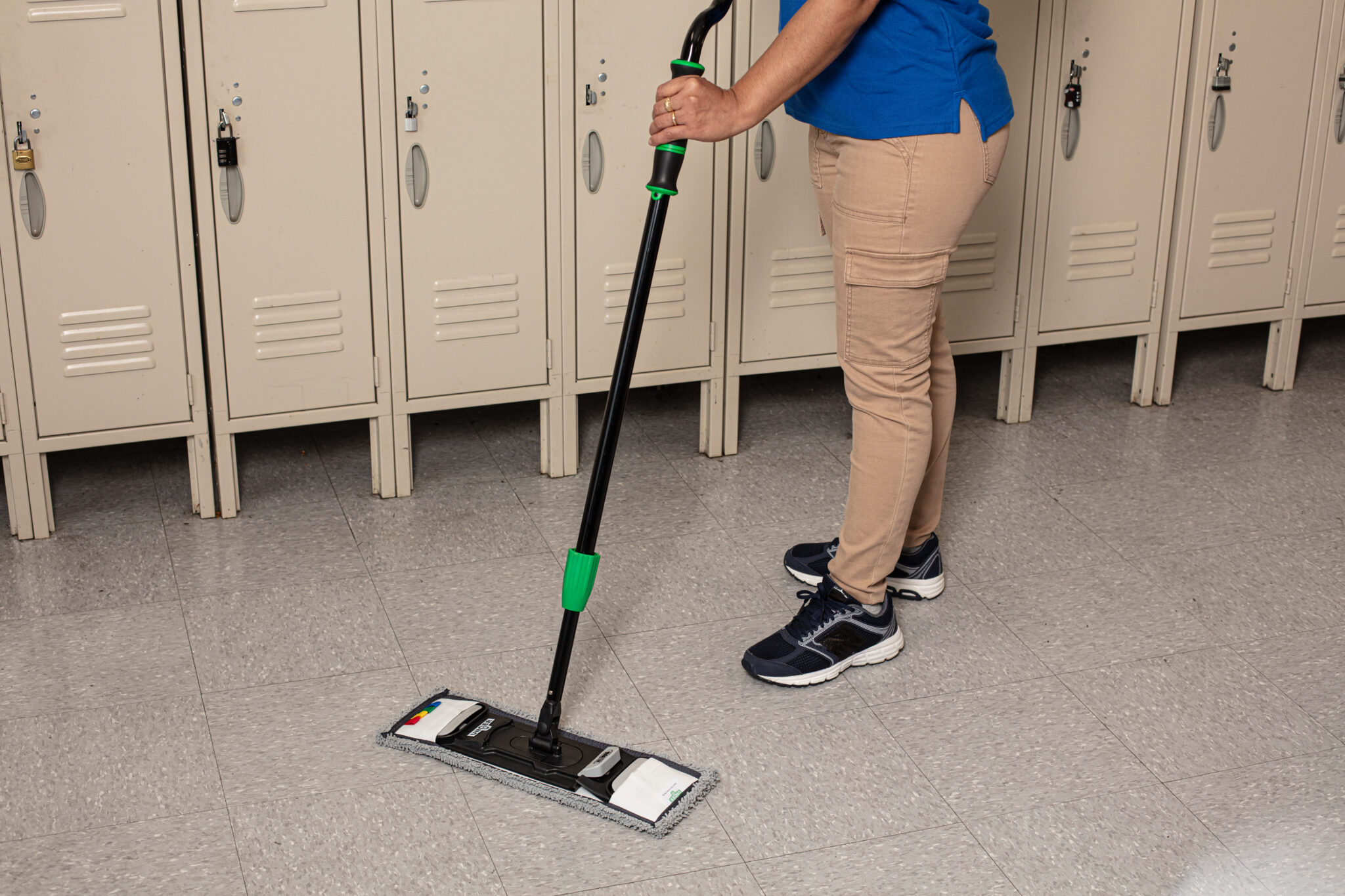
With a lightened load of students and staff on campus for winter break, facility teams have a valuable window of time to address deeper school cleaning and maintenance tasks that would otherwise be more challenging to execute when school is in session. In many regions, winter break is also a period when buildings require additional care due to the weather. Snow, salt, moisture, and continuous heating system use place extra stress on surfaces and indoor environments, and at the same time, cold and flu activity typically reaches its peak (between December and February).
Facility managers know the signs well: damp entry mats, salt residue accumulating near doorways, and HVAC systems running at full capacity. A well-planned winter break deep clean enhances long-term facility performance by preserving surfaces, improving air quality, and ensuring the campus is ready to welcome back students and staff.
1. Reduced Occupancy = Maximum Cleaning Efficiency
Winter break provides one of the few opportunities for classrooms, hallways, and common areas to be free of students and staff. With fewer interruptions, facility teams can move equipment more freely, access hard-to-reach surfaces, and complete high-impact tasks, such as deep cleaning entryways affected by salt and moisture, thoroughly cleaning cafeteria and kitchen areas, and performing high-access dusting and vent cleaning to improve indoor air quality.
2. Winter Exacerbates Dirt, Moisture, and Germs
Snow, salt, and moisture tracked in from outdoors create residue that can potentially damage floors, while increased heating system use leads to dust buildup and drier air. At the same time, flu-season germs spread rapidly across high-touch surfaces: desks, door handles, restrooms, and shared equipment (like printers or breakroom refrigerators).
3. Deep Cleaning Protects Facilities Long Term
Addressing winter wear and tear early helps prevent long-term damage. Removing salt and moisture protects flooring materials, while detailed dusting and HVAC maintenance reduce strain on mechanical systems. This proactive approach minimizes costly repairs, extends the life of assets, and supports more predictable maintenance budgets.
4. Cleaner Buildings Support Health and Attendance
Disinfection and improved air quality contribute to fewer illnesses after students and staff return. By removing allergens, germs, and built-up debris, winter break deep cleaning helps create a healthier, more comfortable learning environment, which in turn supports better attendance and overall well-being.
From snow and salt tracked indoors to increased germs and indoor dust buildup, the seasonal factors that winter can introduce require planning and targeted cleaning strategies.
Up to 80% of contaminants come into buildings on the soles of shoes. And during times of inclement weather, the residue and slush left behind from tracking snow, ice, and de-icing salts inside can quickly damage floors and accelerate wear. High-traffic entryways often require more frequent mat rotation and thorough floor mopping to maintain safety, preserve flooring, and prevent costly repairs.
With cold and flu season peaking during the winter months, that means the spread of viruses increases on high-touch surfaces such as desks, light switches, door handles, and shared equipment. Following high-touch cleaning protocols and incorporating disinfection routines can help reduce illness.
Pro Tip: Microfiber cleaning cloths are an effective solution for cleaning high touch areas, such as handles, faucets, knobs, etc. In an independent study conducted by the Environmental Protection Agency (EPA), the EPA found that extremely fine (.37 micrometer diameter) microfiber was both laboratory and clinically tested and proven to remove up to 98 percent of bacteria and 93 percent of viruses from a surface using only water (no chemicals).
Closed windows and continuous heating during winter contribute to dust, allergens, and indoor air pollutants circulating throughout a facility. These can settle on vents, ceiling surfaces, and classroom furnishings, affecting air quality and health. Regular HVAC maintenance and cleaning are crucial for enhancing indoor air quality and reducing respiratory issues.
Snow, ice, and winter grime often leave exterior window surfaces streaked or cloudy, reducing natural light in classrooms and common areas. Proper interior and exterior cleaning tools help maintain visibility, enhance the building’s appearance, and create a brighter, healthier learning environment.
Pro Tip: To keep the water on the glass from frosting over or freezing in cold temperatures, the window washer needs to increase the speed of cleaning. One solution is to select an appropriately sized glass squeegee that can clean the window in the least amount of strokes. Normally, for window cleaners, time equals money, but in colder temperatures, time equals frost.
Melting snow and tracked-in moisture can create slick floors, increasing the risk of slip and fall injuries. Facility managers can mitigate hazards by placing absorbent mats, increasing mat-changing frequency, and performing regular floor care to ensure safe entryways.
Fact: 85% of dirt and debris won’t get past the entryway if mats are appropriately selected, placed, and maintained.
Focusing on high-use spaces, hard-to-reach surfaces, and essential equipment ensures a healthier, safer, and more efficient facility when students and staff return.
Given their use, classrooms undoubtedly accumulate hidden dirt and germs throughout the first half of the school year. During winter break, facility teams can:
Restrooms require focused attention to maintain hygiene and prevent odors:
Areas with heavy daily use demand specialized cleaning:
Routine maintenance and equipment cleaning ensure long-term facility efficiency:
Winter break presents a valuable opportunity for schools and universities to perform deep cleaning and maintenance that is often difficult to accomplish during the busy academic year. By addressing high-traffic areas, classrooms, cafeterias, restrooms, and specialized maintenance tasks, facility teams can protect student and staff health, extend the life of floors and surfaces, and reduce long-term repair and replacement costs.
Leveraging this downtime thoughtfully not only ensures a healthier, more attractive facility but also delivers measurable long-term returns for both operations and budgets.