NEW!
Powerful Nano Filtration with Unger's HydroPower® Nano
See The Product
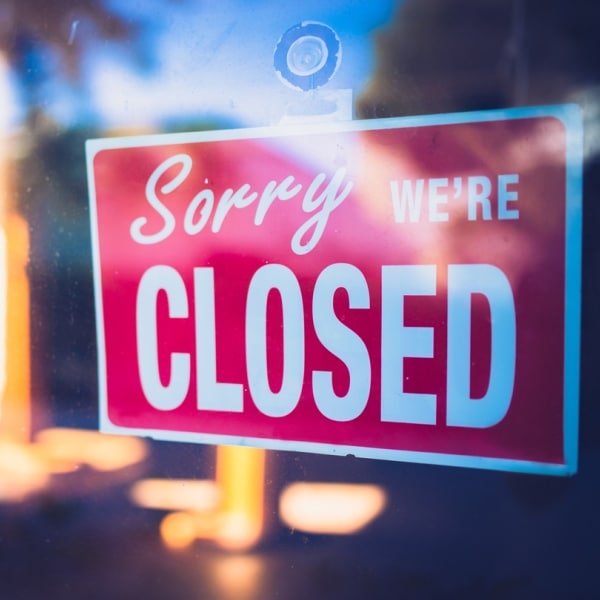
It seems like the good old days when restaurant cleaning and disinfecting priorities focused mainly on preventing foodborne illnesses and maintaining an attractive, enjoyable environment that met the approval of both patrons and health and safety inspectors. Now during the pandemic, restaurants have the intensified stress of staying in business, meaning the importance of restaurant cleaning is at an all-time high, with financial survival and community health dependent on it.
A National Restaurant Association survey of more than 6,500 restaurant operators nationwide shows the extent of nationwide restaurant job losses and sales, which are deep and widespread across all segments. The restaurant industry, more so than any other industry in the U.S., has suffered the most significant sales and job losses since the pandemic began. With 2 out of 3 restaurant workers laid off, and projected losses of $240 billion by the end of the year, restaurants are fighting to sustain business.
The good news is that while the customer base for on-premises dining is significantly smaller than pre-pandemic levels, these consumers appear to be willing to maintain their frequency as we enter into the winter months. Among adults who dined out for lunch or dinner, 35% said they plan to increase their on-premises frequency during the next three months. Only 26% said they plan to dine out less frequently.
Attracting and keeping restaurant patrons means restaurant owners have to keep operations going while considering how to reduce the risk of COVID-19 transmission for employees, customers, and communities. The FDA is sharing information about best practices to operate retail food stores, restaurants, and associated pick-up and delivery services during the COVID-19 pandemic to safeguard workers and consumers, including strategies for:
While there is a multitude of strategies restaurants can execute on to help lower the risk of COVID-19 exposure and transmission, when it comes to workplace prevention practices, specifically restaurant cleaning and disinfection, the CDC has outlined considerations for restaurants that supplement state or local health and safety laws, rules, and regulations.
According to the CDC, restaurants and bars may implement several restaurant cleaning and disinfecting strategies to maintain healthy environments:
In addition to the above cleaning and disinfecting protocols, the CDC also provides guidance on:
If a restaurant does need to close following COVID-19 exposure, cleaning and disinfecting procedures evolve from everyday routine tasks to a critical part of reopening. When developing a re-opening plan, restaurants should include the following considerations, whether for routine or deep cleaning:
Not only is cleaning and disinfecting necessary to remove and kill germs, but patrons and employees feel more confident and secure knowing that the restaurant has been deep cleaned and disinfected. Follows are CDC guidelines:
#1 Clean visibly dirty surfaces with soap and water
Clean surfaces and objects using soap and water prior to disinfection. Always wear gloves appropriate for the chemicals being used for routine cleaning and disinfecting. Follow the directions on the disinfectant label for additional PPE needs. When you finish cleaning, remember to wash hands thoroughly with soap and water.
For the front of the house, these surfaces may include cleaning indoor window and glass, tabletops, walls, stainless steel and plexiglass barriers, as well as floor and restroom cleaning. If bar surfaces and liquor bottle displays are part of the environment, you’ll need to remove germs from those individual objects.
For the back of the house, you’ll need to consider floor cleaning in addition to cooking surfaces and equipment, such as grills, cooktops and kitchen hoods.
#2 Use the appropriate cleaning or disinfectant product
The virus that causes COVID-19 can be killed if the right products are used. The EPA has compiled a list of approved disinfectants that can be used against COVID-19, that when applied according to the manufacturer’s label, are effective for use against COVID-19. Follow the instructions on the label to ensure safe and effective use of the product. The label will also list precautions such as wearing gloves and making sure you have good ventilation during use of the product.
#3 Execute restaurant deep cleaning and disinfecting
Deep cleaning involves floor-to-ceiling cleaning and disinfecting, including surfaces that are frequently touched, such as door handles, touchscreens, seating and restroom faucets. If someone has been infected with COVID-19, staff should wait 24 hours before cleaning and disinfecting, or if 24 hours is not feasible, wait as long as possible. When cleaning and disinfecting begins, staff should follow safe cleaning and disinfection procedures:
As the restaurant industry continues to operate during the pandemic, the National Restaurant Association continues to collaborate with safety experts from government organizations, academia, the public health sector, and corporations to bring restaurant operators the most up-to-date guidelines to ensure safe on- and off-premises dining. Click here for the latest COVID-19 Safe Operating Guidance which incorporates the latest information and best practices from the CDC, FDA, EPA and OSHA. You can also visit RestaurantActs.com for information on what is required in every state, county, or city as it becomes available and as it relates to restaurants and coronavirus measures.
For help evaluating and sourcing which restaurant cleaning equipment can help meet your health and safety standards, contact Unger to learn more about our commercial cleaning products.