Faster, Safer Floor Cleaning!
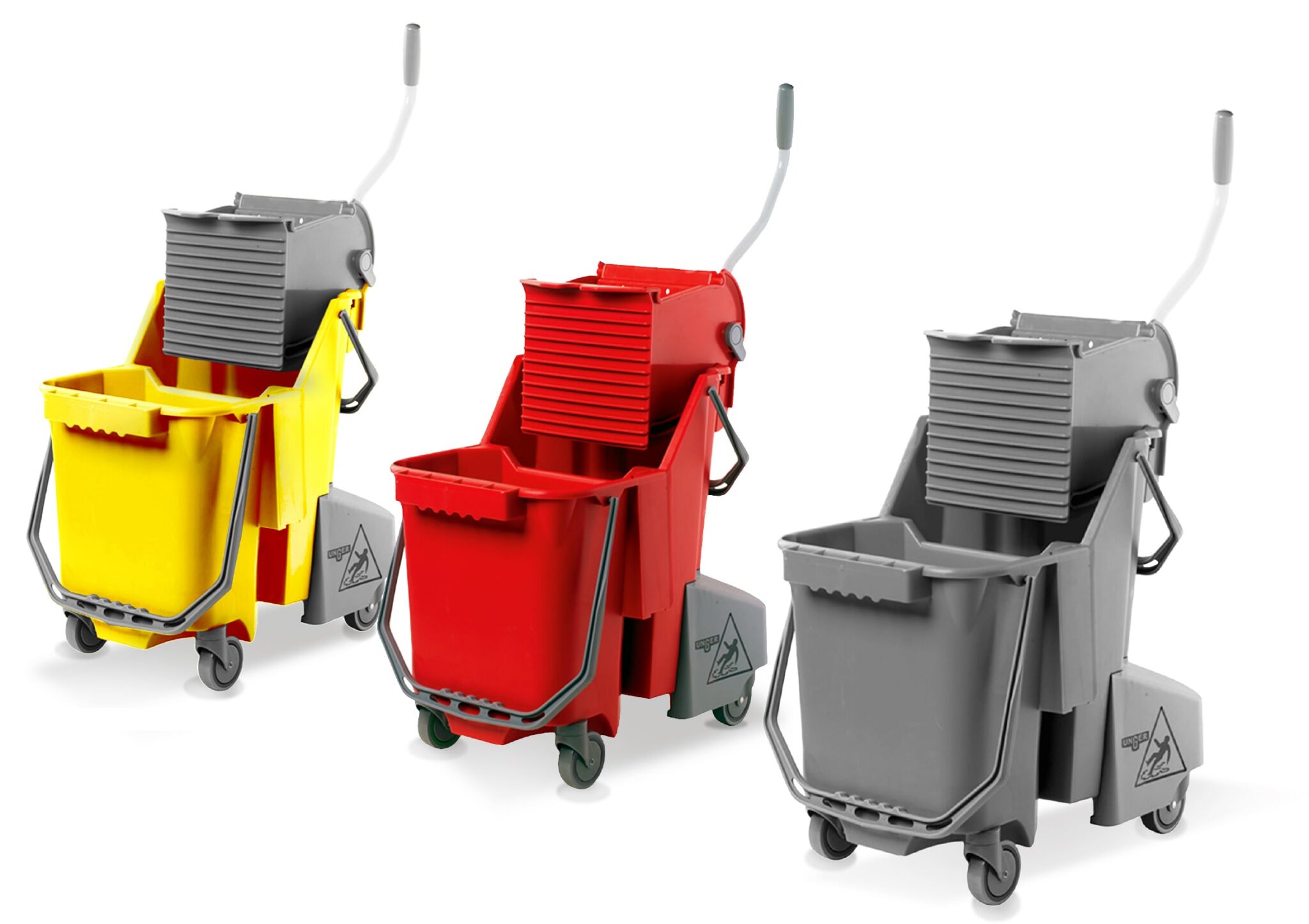
Reduce Bacteria and Cross Contamination with Dual Compartment Mop Buckets
Learn More!
Reduce Bacteria and Cross Contamination with Dual Compartment Mop Buckets
Learn More!
Key Takeaways
Walk into a school after the summer, and the windows tell you how the break went.
Cleaning school windows is worth carving out time for, and not just for the first day. It does two things most people overlook: windows let in the daylight that helps students learn, and they shape the first impression every parent forms walking in. Once you realize this, it’s hard to let the windows slide to the bottom of the priority list again.
Researchers with the California Energy Commission studied thousands of students and found that kids in classrooms with the largest window area progressed 15 percent faster in math and 23 percent faster in reading than kids in the dimmest rooms. Daylight helps students focus and learn.
This is where cleaning matters: a window caked with a summer of pollen and mineral film blocks some of that daylight before it reaches a desk. The buildup is slow enough that nobody notices, but a hazy pane dims the exact resource research ties to better performance. Cleaning windows isn’t for show; it’s directly putting students in a position for success.
Then there’s the first impression. When 500 parents were surveyed about choosing a school for their child, 48 percent ranked campus cleanliness among their top three deciding factors, and 84 percent considered it important. A parent touring the building can’t judge your curriculum from the lobby, so they read the building instead; smudged entrance glass at eye level is one of the first things they’ll notice.
Summer leaves a few different kinds of buildup on school glass, and each one comes off a different way.
Knowing which buildup is on which window lets a team take the right approach to each one from the start, rather than discovering the worst panes at 4 p.m. on the last prep day.
Cleaning a school window doesn’t have to take a week. It just needs a plan. Here’s the approach experienced facility teams lean on:
Windows are among the few things in a building that pay you back twice: in daylight for students and in first impressions for parents. Give your school the cleanliness students and parents deserve. Explore Unger’s professional window cleaning tools built for the demands of educational facility teams.
With school in session, focus your maintenance schedule on regular, high-impact cleaning for entryways and lobbies. For deeper classroom or exterior cleans, utilize scheduled breaks or low-occupancy periods to minimize disruption. Consistent upkeep throughout the semester helps prevent buildup from bonding, keeping the facility looking its best all year round.
Daylight is tied to better student focus and performance, and a window filmed with summer buildup blocks some of that light before it reaches a desk. Cleaning the glass restores the daylight the room is supposed to be getting.
Windows are one of the first things a visitor sees, and surveys show parents weigh campus cleanliness heavily when choosing a school. Smudged entrance and lobby glass shapes their impression before they’ve seen a single classroom.