Faster, Safer Floor Cleaning!
Reduce Bacteria and Cross Contamination with Dual Compartment Mop Buckets
Learn More!
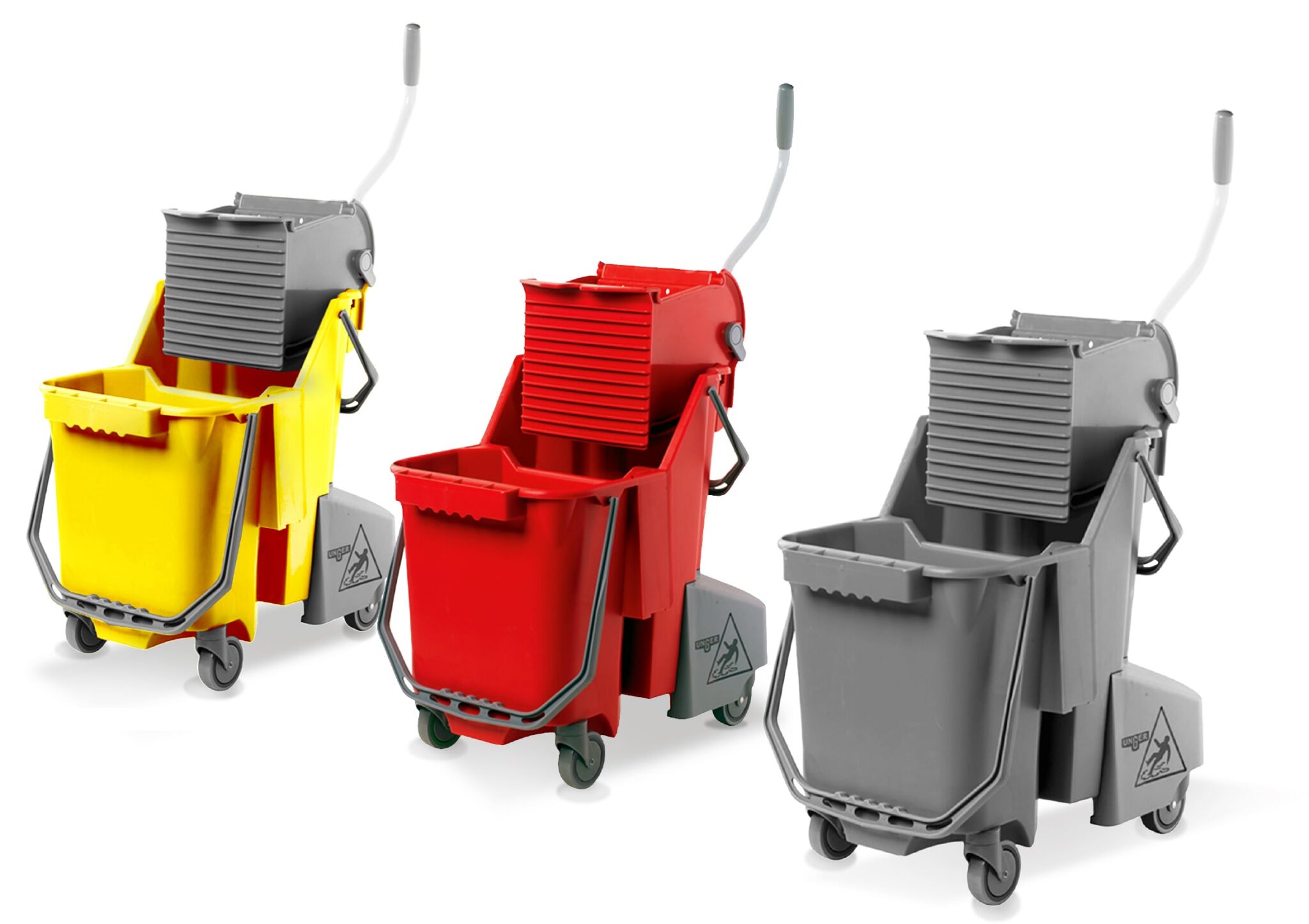
Reduce Bacteria and Cross Contamination with Dual Compartment Mop Buckets
Learn More!
Key Takeaways
Guests start judging a property before they check in, sit down, or speak with staff. Entryways, floors, glass doors, restrooms, and other public spaces all shape first impressions.
In hospitality, cleanliness is part of the product guests are paying for and the appearance of the property is central to the guest experience. A dirty restroom, a trash-filled parking lot, or streaked glass windows does more than create an eyesore. It can affect how guests view their entire stay.
For hospitality cleaning teams, that means keeping high-traffic areas clean while guests are actively moving through them. Strong cleaning standards help prioritize the spaces guests notice most and create consistent routines that keep properties looking their best throughout the day.
According to the American Society of Plumbing Engineers, up to 85% of people say dirty restrooms negatively impact their perception of a business. In hospitality, this matters because restrooms are an integral part of the guest experience. Business, especially hospitality businesses, are judged quickly. A guest may not notice the cleaning schedule, staffing plan, or equipment behind the scenes, but they will notice a dirty restroom, streaked glass, sticky floor, or debris near an entrance.
That first impression can shape the rest of the experience. A well-maintained lobby can make a property feel organized and professional. A poorly maintained restroom can raise questions about the level of care across the property.
Guests do not evaluate cleanliness across all property fixtures and surfaces equally. Highly visible, high-traffic areas have the greatest influence on first impressions. For example, 68% of Americans say dirty floors would give them a negative impression of a business, while more than half say the same about dirty entryways, streaked glass, and poorly maintained parking lots.
Prioritizing these spaces first helps hospitality teams make the biggest impact.
One of the first places guests judge cleanliness. During busy periods, many properties inspect or reset restrooms every 1–2 hours, focusing on floors, mirrors, fixtures, trash, odors, and supplies.
Spot-clean throughout the day and perform a full cleaning every 2–3 hours, with extra attention during wet weather.
These are often the first physical touchpoints with the property. Glass doors and lobby windows quickly collect fingerprints, dust, and smudges. Many properties clean exterior glass every 2–3 hours and clean exterior glass daily, with additional cleanings after rain or during pollen season.
Fingerprints easily appear all over elevator buttons given their frequent use. Wiping down buttons and the walls every 2–4 hours keeps them presentable throughout the day.
The guest experience begins before the front door. Litter, overflowing trash receptacles, and blocked entrance paths leave a poor first impression. Removing debris, emptying trash receptacles at least twice a day, and making sure entrances are clean and clear each morning addresses the issues guests notice most.
Improving hospitality cleaning standards does not always require more work. In many facilities, the biggest gains come from prioritizing the areas guests notice most and building consistent cleaning routines.
A practical improvement plan:
The best hospitality cleaning programs balance consistency with flexibility, allowing teams to respond to spills, weather, guest flow, and events while maintaining clean, guest-ready spaces.
Cleanliness is a crucial part of the hospitality experience and one of the first ways guests judge a property. Consistent cleaning standards and professional tools help teams maintain public spaces that stay clean, look cared for, and support a positive guest impression throughout the day.
Deliver a higher standard of cleanliness for every guest with Unger’s professional cleaning tools—built for hospitality teams that can’t afford to miss a detail.
In hospitality, the cleanliness of the space is part of what guests are paying for, not a background detail. Visible cleaning misses can shape perception before guests interact with the front desk.
There is no single rule, and the best properties do not rely on the clock alone. They use demand-based cleaning, which sets the cleaning frequency based on how heavily a space is used rather than on a fixed timetable. As starting points, many properties clean restrooms every 1–2 hours, lobby floors and outside windows every 2–3 hours, and check elevators and corridors every 2–4 hours, with immediate resets after events, meals, or check-in rushes. Teams then adjust based on real traffic, property type, and event schedule, focusing on the spaces that get dirtiest fastest.
Restrooms first, then lobby floors and high-traffic walkways like check-in areas and main corridors, then entryways and exterior glass, followed by elevators, corridors, and exterior touchpoints like parking lots.
By matching cleaning frequency to real traffic and scheduling quick visual checks during peak movement.