NEW!
Powerful Nano Filtration with Unger's HydroPower® Nano
See The Product

The spring season ushers in more than just warmer weather and blooming flowers. It brings with it an opportune time to dive deep into every corner of your facility that might have been overlooked during the busy year or impacted by winter weather.
Whether you manage an office building, a school or university, a retail facility, or any space in between, spring cleaning offers a chance to refresh and revitalize your indoor and outdoor spaces. This annual cleaning initiative is critical not just for aesthetics, but for enhancing the functionality and safety of the environment for building occupants and community patrons.
With so many tasks to manage and areas to cover, it’s crucial to have a methodical approach to your spring cleaning efforts. Here’s how you can create a spring cleaning checklist that’s both comprehensive and manageable, ensuring your facility achieves its goals.
Begin with a thorough walkthrough of your facility and look around with a critical eye, taking note of high-traffic zones (i.e. entryways, hallways, sidewalks) that may need extra attention, any specific cleaning challenges unique to your facility, and areas that often get overlooked during regular cleaning sessions. You can also check in with your facility users for their feedback. Whether you deploy a survey or engage in direct conversations about their level of satisfaction, soliciting user feedback is always good.
Individual spaces within a facility have their own set of cleaning requirements and may utilize a unique set of commercial cleaning tools. By dividing your facility into distinct areas—offices, restrooms, breakrooms, entryways, etc.—you can create a structure to your cleaning plan and prioritize scheduling based on how the area is used and its importance to the daily operation of the facility.
With your areas defined, break down the specific tasks required for each. This isn’t just about listing ‘cleaning’ as a task, but delving into the specifics—dusting, disinfecting surfaces, and attending to any maintenance needs. This detailed approach ensures nothing is overlooked and that each area receives the care and attention it deserves.
Glass and Window Cleaning:
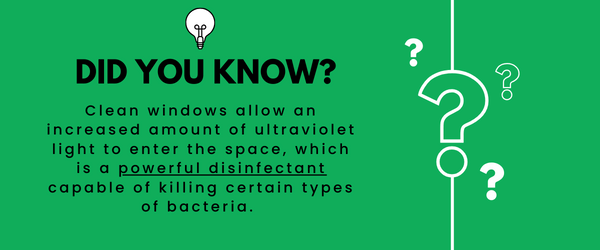
Clean windows, both inside and outside, to allow more natural light and improve the facility’s overall appearance.
Floor Mopping and Cleaning:

Cleaning Walls, Ceilings and Tabletop Surfaces:
HVAC Systems:
High Touch Point Surfaces:
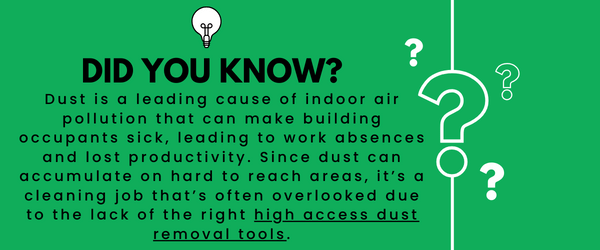
Clean and disinfect frequently touched surfaces in common areas, such as doorknobs, light switches and shared equipment (printers, water coolers, etc.)
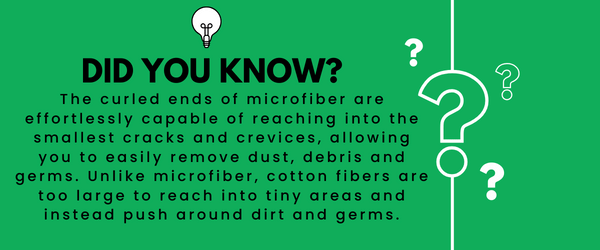
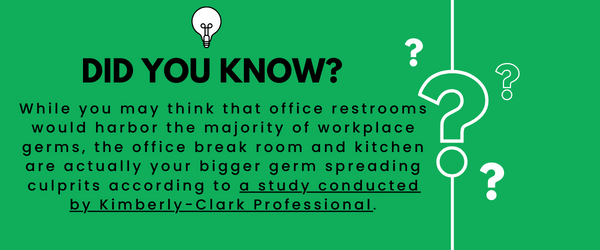
Kitchen or Break Room Cleaning:
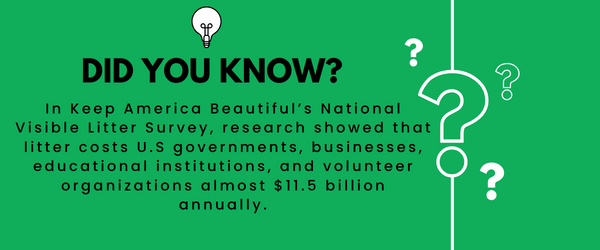
Outdoor Spaces:
A painter is only as good as their brushes; similarly, the effectiveness of your facility’s spring cleaning efforts is largely dependent on the commercial cleaning tools enlisted in the process. Take stock of what you already have, identify any additional tools or products needed, and make sure everything is in good working order before you start.
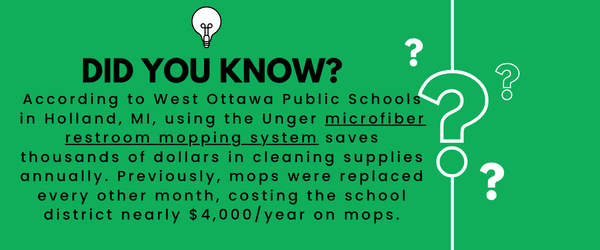
For example, when reviewing your window cleaning tools, inspect the rubber blades of the squeegees and cleanliness of your brushes. For your floor cleaning equipment, check your mop heads and microfiber cleaning pads for wear and tear and replace if needed. For your janitorial cleaning carts, check the wheels, casters, and structural components that can wear over time.
Consider your facility’s daily occupancy and flow to identify the best time to deep clean each identified area. Develop a timeline that includes both start and completion times for every task, ensuring there’s minimal disruption to your operations.
Even with proper planning, you may have to adapt your spring cleaning checklist to adjust to your facility’s needs and as you receive feedback from those who use and maintain the space. This iterative approach ensures that your cleaning strategy remains relevant and effective throughout the process.
Creating a spring cleaning checklist might initially seem like a daunting task, but by following these steps, you can develop a plan that’s both thorough and easy to execute. Remember, the goal is to not only clean your facility but to create an environment that is welcoming and conducive to productivity. Happy cleaning!